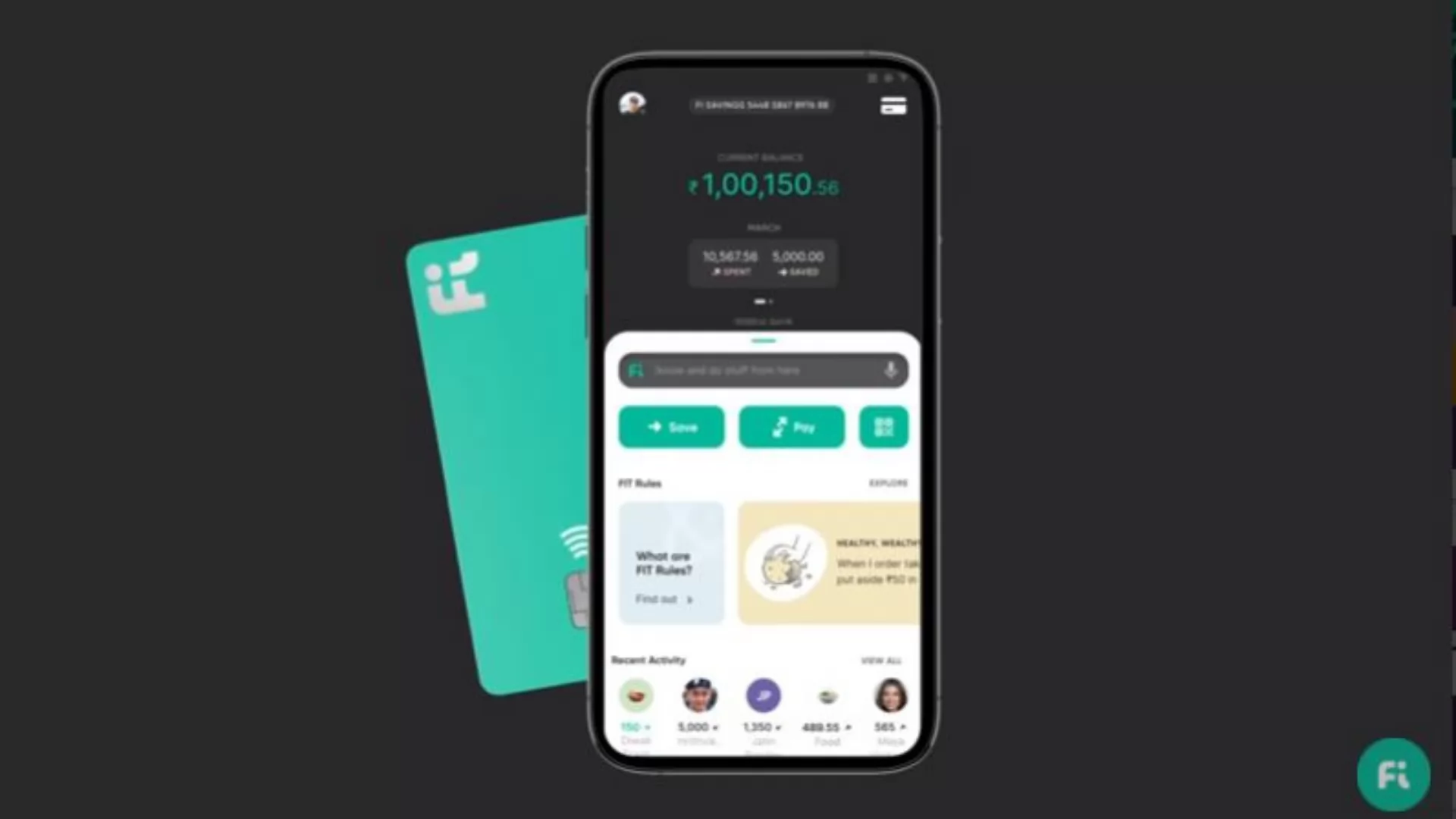
epiFi Technologies is the force behind Fi Money, India’s pioneering neo bank designed for salaried millennials. With features like the intelligent assistant #AskFi, automated savings rules (FiT Rules), and Stash, Fi Money has redefined how young professionals manage personal finance.
Behind this innovation, however, epiFi’s engineering teams relied on Google’s Monorail, an open-source issue tracking system hosted on Google Cloud. While the system was functional, it lacked the efficiency and scalability needed for a fast-moving FinTech, creating friction between innovation and growth.
The Challenge
As Fi Money’s user base expanded, so did the cracks in their cloud setup:
Costs kept climbing — Monorail consumed more resources than required, pushing monthly spend upward with little visibility into optimization.
Team collaboration suffered — Without integration into Slack, developers constantly switched between systems, slowing response times and productivity.
Deployments lacked consistency — Release pipelines weren’t automated, creating bottlenecks and leaving room for error.
In an industry where speed, reliability, and cost-efficiency are non-negotiable, these challenges risked holding epiFi back from scaling confidently.
What We Did
Transcloud partnered with epiFi to redesign their cloud foundation without disrupting business operations. We began with a deep dive into the existing infrastructure, analyzing usage patterns, configurations, and performance gaps. Instead of patching the system, we built a parallel setup that allowed us to test and refine optimizations safely.
From there, the transformation unfolded:
The Monorail architecture was restructured for efficiency, cutting out resource waste and reducing latency.
CI/CD pipelines were automated using Jenkins and Cloud Build, ensuring faster, predictable releases.
To improve collaboration, we extended Monorail to connect directly with Slack, giving teams real-time issue notifications and smoother workflows.
Finally, we introduced auto-scaling components within Google Cloud, enabling epiFi to handle variable workloads seamlessly while keeping costs in check.
Each step was designed to not just fix today’s problems, but to create a platform that could support epiFi’s growth ambitions.
Results & Outcomes
The impact was immediate and measurable — but more importantly, it set epiFi up for the long run. Within just 4 weeks, the company saw:
20% reduction in cloud spend → monthly costs dropped significantly, unlocking budget for innovation instead of infrastructure overhead.
Faster system performance → reduced latency and improved responsiveness across issue tracking, making developer workflows smoother.
Release cycles accelerated → automated pipelines cut delays, empowering teams to deliver updates and fixes faster.
Collaboration transformed → Slack integration turned issue tracking into a live, shared experience, speeding up resolutions.
Scalability with confidence → GCP’s elastic infrastructure ensured epiFi could expand features without worrying about downtime or security risks.
In short, Transcloud turned epiFi’s cloud from a cost center into a growth enabler — delivering both immediate ROI and a foundation for continuous innovation.
Why Transcloud
Transcloud wasn’t just a migration partner for epiFi — we became their cloud growth partner. Where others might have delivered a simple cost cut, we aligned every technical decision to epiFi’s business goals: faster releases, stronger collaboration, and the ability to scale without fear of downtime or spiraling costs. That’s why the results went beyond a 20% saving — they gave epiFi a modern foundation for long-term growth.
At Transcloud, this is what we do:
Architect for efficiency — eliminating waste without compromising performance.
Engineer for growth — building scalable, secure platforms that evolve with your business.
Deliver with speed — getting measurable results in weeks, not months.
Stay Updated with Latest Case Studies
You May Also Like
Hybrid Kubernetes Modernization for Industrial Automation
We use cookies to ensure that we give you the best experience on our website. If you continue to use this site we will assume that you are happy with it.Ok