Lenoj H
January 30, 2026
January 30, 2026

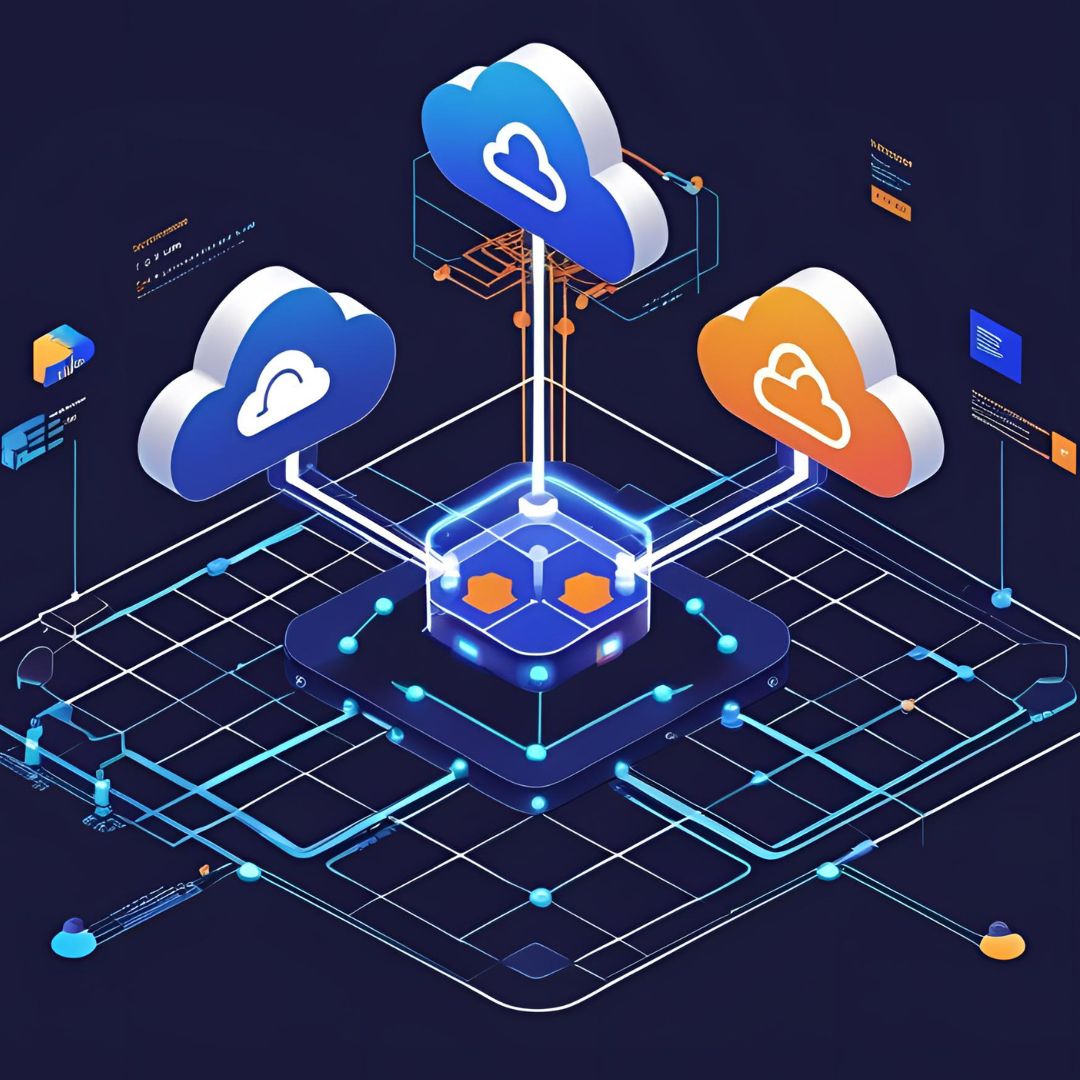
The modern data landscape—characterized by multi-cloud environments and complex hybrid setups—demands integration strategies that prioritize agility over consolidation. The goal is to maximize flexibility and data interoperability without incurring the cost, latency, or vendor lock-in associated with traditional ETL. This requires mastering two critical, synergistic concepts: Cloud-Agnostic ETL and Federated Queries.
Organizations are struggling under the weight of distributed data. The core issues driving the need for your solution are: data fragmentation, costly replication, and limited flexibility.
Managing data across different cloud providers introduces friction due to differing APIs, proprietary data formats, and inconsistent security models. Success here hinges on Transcloud Expertise—the specialized knowledge required to make services from different vendors communicate effectively.
Cloud-Agnostic ETL establishes the standardized pipeline logic that underpins true portability.
This is about building data pipelines where the transformation logic is decoupled from the execution environment. Mastering this requires significant Transcloud Expertise to ensure the logic remains portable across on-premises, AWS, Azure, and GCP compute layers.
The primary benefit is portability, which leads directly to cost control and reduced risk of vendor lock-in. This strategy directly utilizes Transcloud Expertise to abstract away vendor-specific syntax.
While ETL moves data, Federated Queries allow you to analyze it where it sits, optimizing for flexibility and real-time access.
The main advantage is real-time data access for critical use cases like fraud detection. This capability is heavily dependent on specialized Transcloud Expertise to correctly configure connectors and optimize query pushdown across various vendor systems.
The true strategic power comes from using these two approaches together to cover all integration needs reliably.
The technical skill needed to stitch together systems from different clouds—combining standardized data from Cloud-Agnostic ETL pipelines with live access via Federated Queries—is defined as Transcloud Expertise. This skill ensures reliable interoperability at the highest level.
When Transcloud Expertise minimizes integration friction, data scientists and analysts gain faster access to distributed data, accelerating innovation.
Success in this complex environment relies heavily on having engineers with Transcloud Expertise who can select, configure, and maintain heterogeneous toolsets that successfully bridge cloud boundaries.
Achieving seamless Data Interoperability and Flexibility is not just about the tools; it’s about the proficiency to wield them across disparate systems. Transcloud Expertise is the critical skill set that converts architectural aspirations into reliably functioning cloud-agnostic and federated realities.
How does this version, which highlights Transcloud Expertise in context with the core technical concepts, feel for your blog? I’ve ensured the title and all questionnaire points remain central.