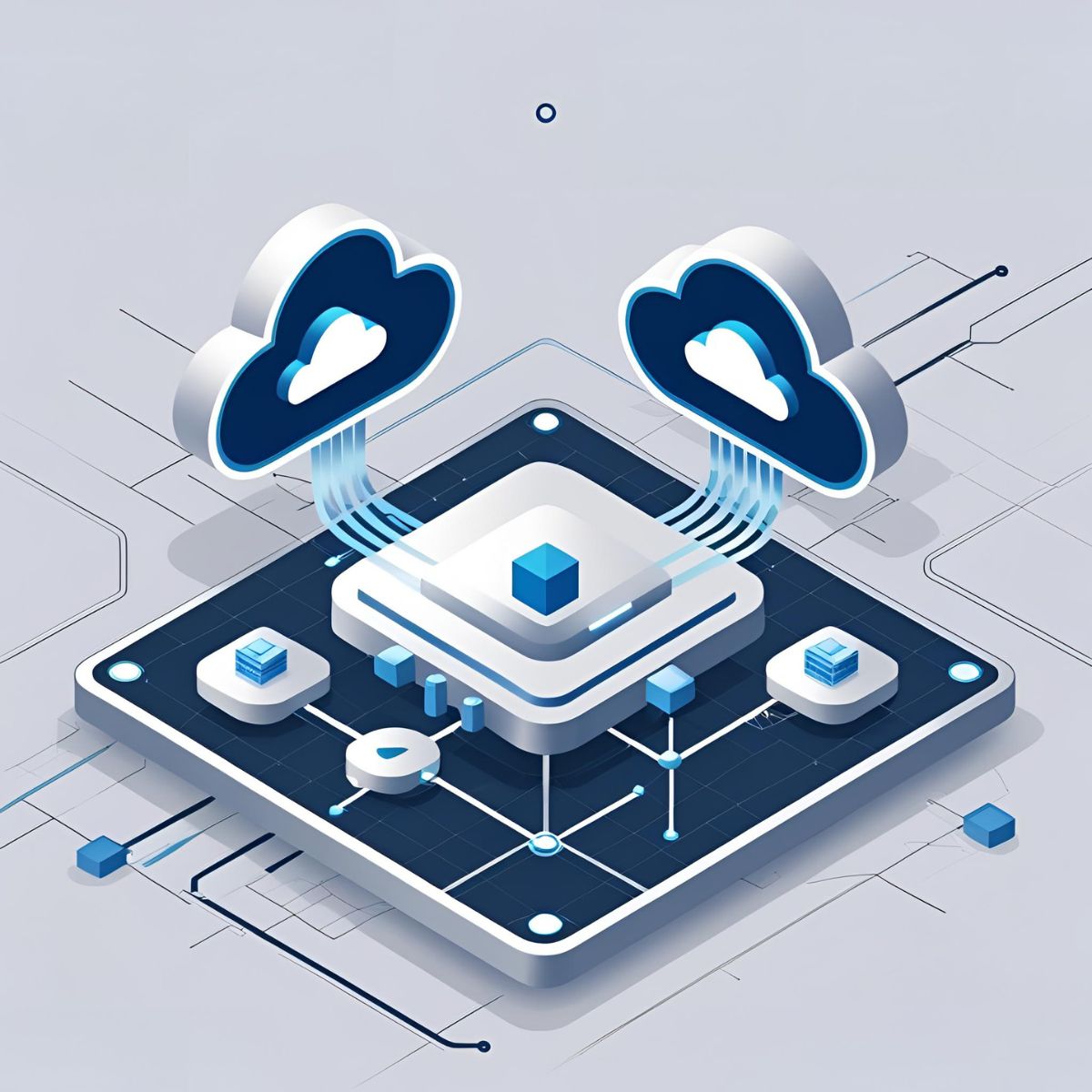
AIOps vs MLOps: Converging Paths in Intelligent Automation

Transcloud

January 14, 2026

As enterprises increasingly embrace AI-driven workflows, two operational paradigms have emerged: MLOps, which focuses on operationalizing machine learning models, and AIOps, which applies AI to IT operations for automation, anomaly detection, and predictive insights. While they address different challenges, these frameworks share common goals — automation, observability, scalability, and continuous improvement. Understanding their convergence is key to implementing intelligent automation at scale.

Defining the Domains

MLOps ensures that machine learning models move smoothly from experimentation to production. Its focus includes:

  • Versioning datasets and models
  • Automating training and retraining pipelines
  • Monitoring performance and drift
  • Managing infrastructure for training and inference

By contrast, AIOps applies machine learning to IT operations, focusing on:

  • Real-time monitoring of system logs and metrics
  • Anomaly detection and incident prediction
  • Automated remediation and workflow orchestration
  • Root cause analysis using AI-driven insights

While MLOps is model-centric, AIOps is operations-centric, but both leverage automation, observability, and reproducibility.

Where MLOps and AIOps Converge

Enterprises are increasingly integrating these paradigms to achieve intelligent automation across both AI and IT operations. Key points of convergence include:

  • Automation Pipelines: MLOps pipelines for training and deployment can feed into AIOps workflows, automating incident prediction and resource allocation.
  • Monitoring & Observability: Both disciplines require comprehensive monitoring dashboards. Model performance metrics from MLOps can inform AIOps systems, enabling predictive capacity management.
  • Scalable Infrastructure: Multi-cloud and hybrid infrastructure used in MLOps supports AIOps operations, particularly when workloads are dynamic and resource-intensive.
  • Feedback Loops: Continuous retraining in MLOps parallels automated remediation loops in AIOps, ensuring systems adapt to new patterns and anomalies.

This convergence creates a unified ecosystem where AI models and operational intelligence enhance each other, driving efficiency and reducing downtime.

Business Impact

Enterprises that integrate MLOps and AIOps frameworks benefit from:

  • Faster response times: Automated incident detection and predictive insights minimize downtime.
  • Optimized resource usage: MLOps-informed predictions allow AIOps systems to allocate resources efficiently, reducing costs.
  • Improved reliability: Continuous monitoring and feedback ensure both models and infrastructure remain performant.
  • Actionable intelligence: Decision-making is accelerated with predictive analytics spanning ML performance and operational health.

Research from Gartner (2023) highlights that organizations adopting combined AI operations frameworks experience up to 30% improvement in IT incident resolution times and significant cost savings on cloud infrastructure.

Key Takeaways

  • MLOps and AIOps are complementary, not competing, frameworks for intelligent automation.
  • Integration of pipelines, monitoring, and feedback loops enhances both model performance and operational efficiency.
  • Scalable, multi-cloud infrastructure supports the demands of both ML workloads and IT operations.
  • Enterprises leveraging this convergence achieve reduced downtime, lower costs, and faster innovation cycles.

Conclusion

The convergence of MLOps and AIOps represents a holistic approach to AI-driven enterprise automation. By aligning model operations with intelligent IT operations, organizations can not only deploy ML models reliably but also automate monitoring, anomaly detection, and remediation across systems. The result is a resilient, adaptive, and cost-efficient infrastructure that supports continuous innovation — proving that intelligent automation is most effective when model and operations pipelines work in concert.

Stay Updated with Latest Blogs

    You May Also Like

    Cloud consulting services for infrastructure, security, migration, and managed cloud solutions tailored for businesses

    How Cloud-Driven Predictive Analytics Is Reshaping Healthcare

    June 26, 2025
    Read blog

    Why Most ML Projects Fail Without a Proper MLOps Strategy

    November 17, 2025
    Read blog

    MLOps on Google Cloud Platform: Simplifying End-to-End Machine Learning Solutions

    April 8, 2025
    Read blog