Transcloud
August 17, 2026
August 17, 2026
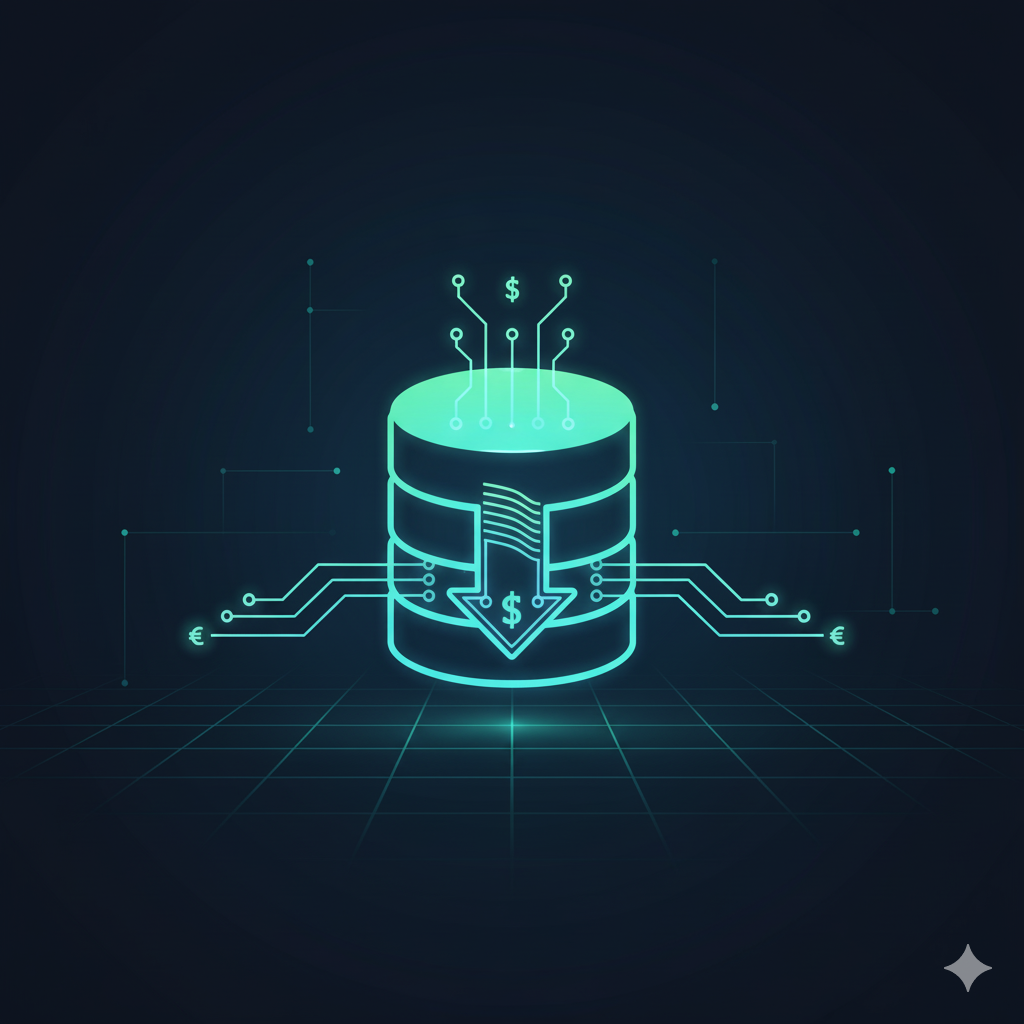
Moving data between cloud platforms is rarely as simple as copying it from one environment to another. Data is often spread across multiple databases, applications, and systems, with different formats, dependencies, and update cycles. The challenge becomes even greater when the migration must happen with minimal disruption to business operations.
AWS Database Migration Service (AWS DMS) and Azure Stream Analytics can support different parts of this process. While AWS DMS is commonly used to migrate and replicate databases, Azure Stream Analytics helps organizations process and analyze streaming data in real time.
Used with the right migration strategy, these services can help organizations move and manage data across platforms more efficiently.
Cross-platform data movement involves more than transferring records from one database to another. Organizations need to consider:
A poorly planned migration can lead to inconsistent data, extended downtime, failed workloads, and unnecessary operational costs.
This is why migration needs to be treated as a structured process rather than a one-time data transfer.
AWS DMS and Azure Stream Analytics serve different purposes, but both can support broader data movement and modernization strategies.
AWS DMS helps migrate databases to AWS and supports continuous replication between supported source and target databases.
Instead of shutting down an application and moving all data at once, organizations can migrate the initial dataset and continue replicating ongoing changes. This can help reduce downtime during migration.
AWS DMS can be useful when organizations need to:
The key advantage is that data replication can continue while applications remain operational, allowing teams to plan the final cutover more carefully.
Azure Stream Analytics is designed to process and analyze streaming data in real time.
For organizations working with continuous event streams, IoT data, application logs, telemetry, or other real-time sources, simply moving data is not always enough. The data may need to be filtered, transformed, or analyzed while it is in motion.
Azure Stream Analytics can support this type of processing by helping organizations:
This makes it particularly relevant for organizations where continuous data processing is part of the broader cloud or data modernization strategy.
Before selecting migration tools, understand what data is being moved and why.
Identify the source systems, target systems, data volumes, dependencies, update frequency, and critical applications.
Not every dataset requires the same migration approach. Some workloads may require continuous replication, while others can be moved through scheduled or batch-based processes.
A clear assessment helps avoid applying the same migration strategy to every workload.
A one-time bulk migration may work for static data, but it may not be suitable for actively changing databases.
For workloads that continue receiving updates, continuous replication can reduce the amount of data that needs to be synchronized during the final cutover.
AWS DMS can support this approach by replicating ongoing database changes after the initial migration.
For continuous event data, real-time processing platforms such as Azure Stream Analytics can process data streams as they arrive.
The migration pattern should be based on how the data behaves, not simply where the data is currently stored.
Successful data movement is not measured only by whether the migration job completes.
Teams should validate:
Validation should happen throughout the migration process rather than only after the final cutover.
This reduces the risk of discovering data issues when the new environment is already supporting production workloads.
One of the biggest migration challenges is handling data that changes while the migration is happening.
If a database remains active, new records and updates can quickly create a gap between the source and target environments.
Using continuous replication can help keep the target environment synchronized until the organization is ready to complete the migration.
This is where services such as AWS DMS can play an important role in reducing the complexity of low-downtime database migrations.
Database migration and real-time data processing have different requirements.
AWS DMS is primarily focused on database migration and replication. Azure Stream Analytics is designed for processing streaming data.
Trying to use a single approach for every type of data movement can create unnecessary complexity.
Instead, organizations should separate their requirements into categories such as:
This makes it easier to select the right service for each workload.
Data security should not be added after the migration plan is complete.
Organizations should define how data will be protected while it is:
Access controls, encryption, network security, and monitoring should be part of the migration design from the beginning.
This is particularly important when moving sensitive or regulated data across cloud environments.
A migration plan should be tested before production data is moved.
Testing helps teams identify:
A pilot migration can provide valuable insights before the full workload is moved.
It is usually easier and less expensive to fix migration issues during testing than after a production cutover.
The right migration strategy depends on the type of data and the business requirements around it.
For example, a database migration may require continuous replication to reduce downtime, while a real-time application may require streaming analytics to process data as it arrives.
A more effective approach is to build the migration around the workload.
This typically involves:
This structured approach helps reduce operational risk and provides better visibility throughout the migration process.
Cross-platform data movement is not simply a matter of transferring information from one cloud environment to another. Different workloads require different migration and processing strategies.
AWS DMS can help organizations migrate and continuously replicate supported databases, while Azure Stream Analytics can support real-time processing of streaming data.
The most effective approach is to understand the nature of the workload, select the right tools for each stage, and build validation and security into the migration process from the start.
When data migration is planned around business continuity rather than just data transfer, organizations can reduce disruption, improve reliability, and create a stronger foundation for future cloud and data initiatives.