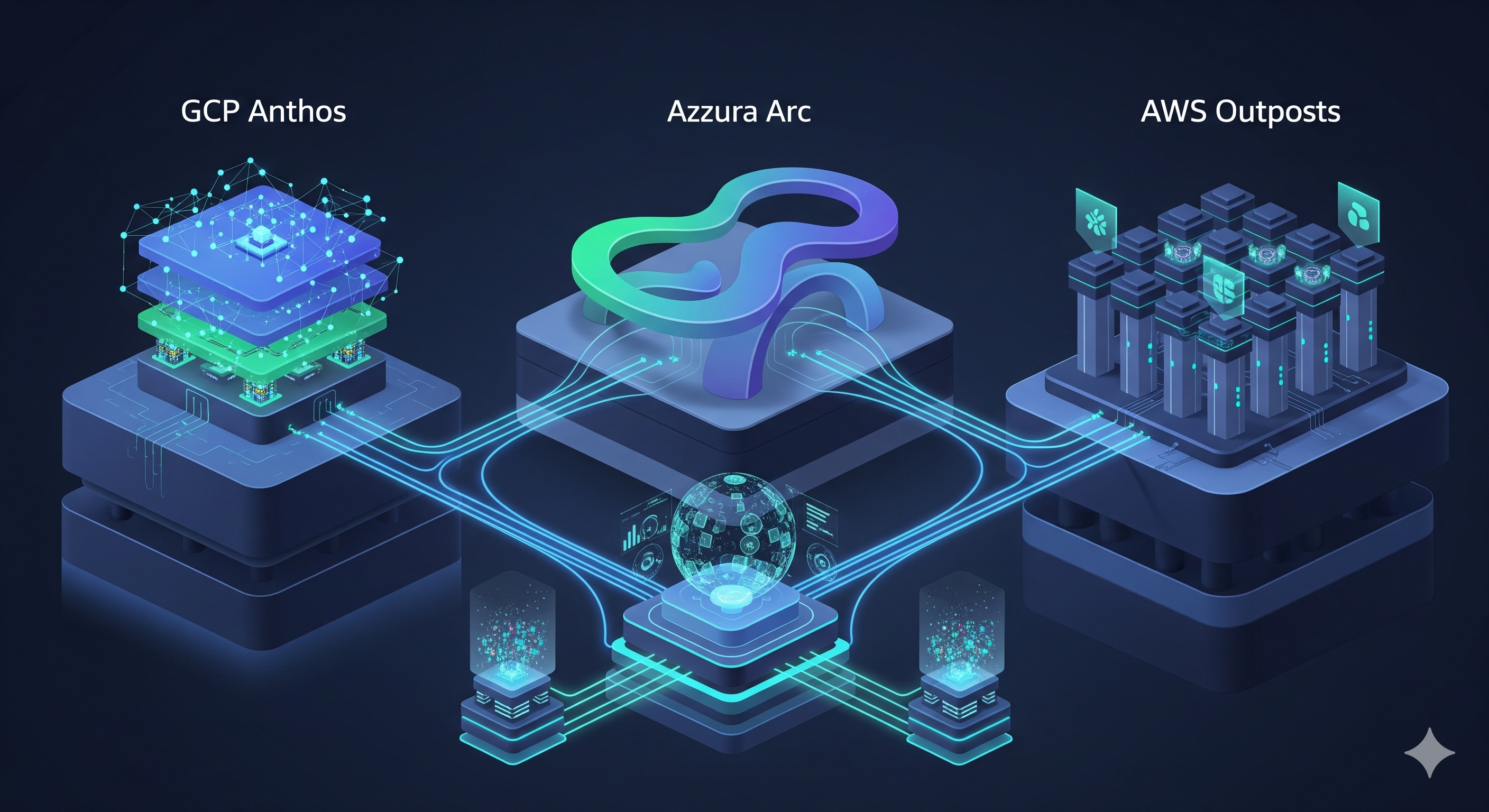
Enterprises are embracing Multi-Cloud Environments to unlock agility, innovation, and resilience. Yet, the journey from promise to performance is not straightforward. While Multi-Cloud promises flexibility and reduced vendor lock-in, it introduces hidden costs, governance gaps, and operational complexity. That’s why organizations need a strategic blueprint that connects Managed Services with measurable business outcomes.
Multi-Cloud is no longer optional—it’s a strategic necessity. Success depends on balancing flexibility with cost control and performance optimization.
The Promise of Multi-Cloud: Flexibility, Innovation, and Avoiding Vendor Lock-in
- Choose the right cloud for the right workload
- Leverage innovation across hyperscalers
- Reduce dependency on a single provider
Multi-Cloud enables freedom of choice and innovation without vendor lock-in.
The Multi-Cloud Paradox: Complexity, Escalating Costs, and Performance Bottlenecks
- Disparate billing models create cost confusion
- Fragmented operations increase inefficiencies
- Performance issues emerge across distributed workloads
Without governance, Multi-Cloud quickly turns into rising costs and bottlenecks.
Why a Strategic Blueprint? Connecting Managed Services to Tangible Outcomes
- Align IT costs with business goals
- Enable proactive governance and compliance
- Drive sustainable cost savings and performance gains
A blueprint ties technology adoption to measurable financial and operational outcomes.
Phase 1: Laying the Strategic Foundation for Multi-Cloud Success
Defining Your Multi-Cloud Strategy: Objectives for Cost Savings and Performance
- Set business-aligned objectives
- Balance agility with control
- Identify workloads suited for Multi-Cloud
Start with a clear strategy that balances cost savings with performance.
Establishing Robust Governance and Cost Visibility as a Core Principle
- Standardize tagging and resource tracking
- Centralize cost monitoring
- Integrate FinOps into cloud practices
Governance and visibility are the backbone of effective Multi-Cloud adoption.
Building a Unified Security & Compliance Framework Across Clouds
- Standardize policies across environments
- Ensure regulatory compliance
- Adopt a unified security posture
Consistent security reduces risks in Multi-Cloud adoption.
Phase 2: Orchestrating Cost Savings Through Intelligent Optimization
Achieving Real-Time Cloud Cost Visibility and Control
- Consolidated dashboards across providers
- Identify anomalies instantly
- Enable proactive financial decisions
Real-time visibility is the first step in Cloud Cost Optimization.
Advanced Resource Optimization Techniques for Significant Savings
- Rightsize workloads
- Automate scaling policies
- Use intelligent provisioning across environments
Optimized resources deliver efficiency without compromising performance.
Automating Cost Controls and Governance Enforcement
- Policy-driven automation
- Auto-remediation for cost anomalies
- Continuous alignment to budgets
Automation enforces governance and eliminates waste.
Understanding and Optimizing Cloud Billing Structures
- Decode provider-specific billing
- Leverage PAYG and reserved models effectively
- Improve predictability of cloud spend
Smart billing practices unlock additional cost savings.
Phase 3: Elevating Performance and Resilience Across Multi-Cloud Environments
Architecting for Peak Performance: Cloud-Native and Hybrid Cloud Approaches
- Use distributed architectures
- Optimize workload placement
- Ensure scalable foundations
Smart architecture enables peak performance across environments.
Automation and Orchestration for Operational Excellence
- Automate workload management
- Enable cross-cloud orchestration
- Standardize operations across providers
Orchestration ensures smooth, efficient operations at scale.
Proactive Monitoring and AIOps for Performance Assurance
- Leverage AI for anomaly detection
- Automate remediation before impact
- Enable continuous workload optimization
AIOps delivers proactive performance assurance.
Ensuring Business Continuity and Disaster Recovery
- Build redundancy across clouds
- Automate backup and recovery
- Guarantee minimal downtime
Cloud-native disaster recovery safeguards business resilience.
Phase 4: The Strategic Role of Multi-Cloud Managed Services
Bridging the Skill Gap and Complexity Chasm with Expert Support
- Access to certified expertise
- Fill internal skill gaps
- Navigate complex cloud operations
Managed Services bridge the skill and complexity gap.
How Managed Services Drive Tangible Cost Savings
- Ongoing resource optimization
- Vendor-neutral financial insights
- Alignment of spend with outcomes
Managed Services ensure sustainable cost savings.
How Managed Services Ensure Peak Performance and Reliability
- 24/7 monitoring and support
- Proactive performance tuning
- Guaranteed SLAs and uptime
Managed Services unlock reliability and performance excellence.
Selecting Your Strategic Multi-Cloud Managed Services Partner
- Choose a provider with Multi-Cloud expertise
- Ensure alignment to business outcomes
- Prioritize transparency and scalability
The right partner transforms Multi-Cloud from complexity to competitive advantage.
Your Continuous Journey to Multi-Cloud Mastery
Success in Multi-Cloud requires a phased blueprint—beginning with strategy and governance, moving into intelligent cost optimization, strengthening performance and resilience, and finally leveraging Managed Services as the catalyst. This structure transforms complexity into clarity, driving both savings and agility.
But the journey doesn’t end there. Cloud is dynamic, and strategies must evolve through continuous monitoring, adaptation, and optimization. By partnering with the right Managed Services Provider, enterprises gain financial efficiency, operational excellence, and the agility to stay ahead.